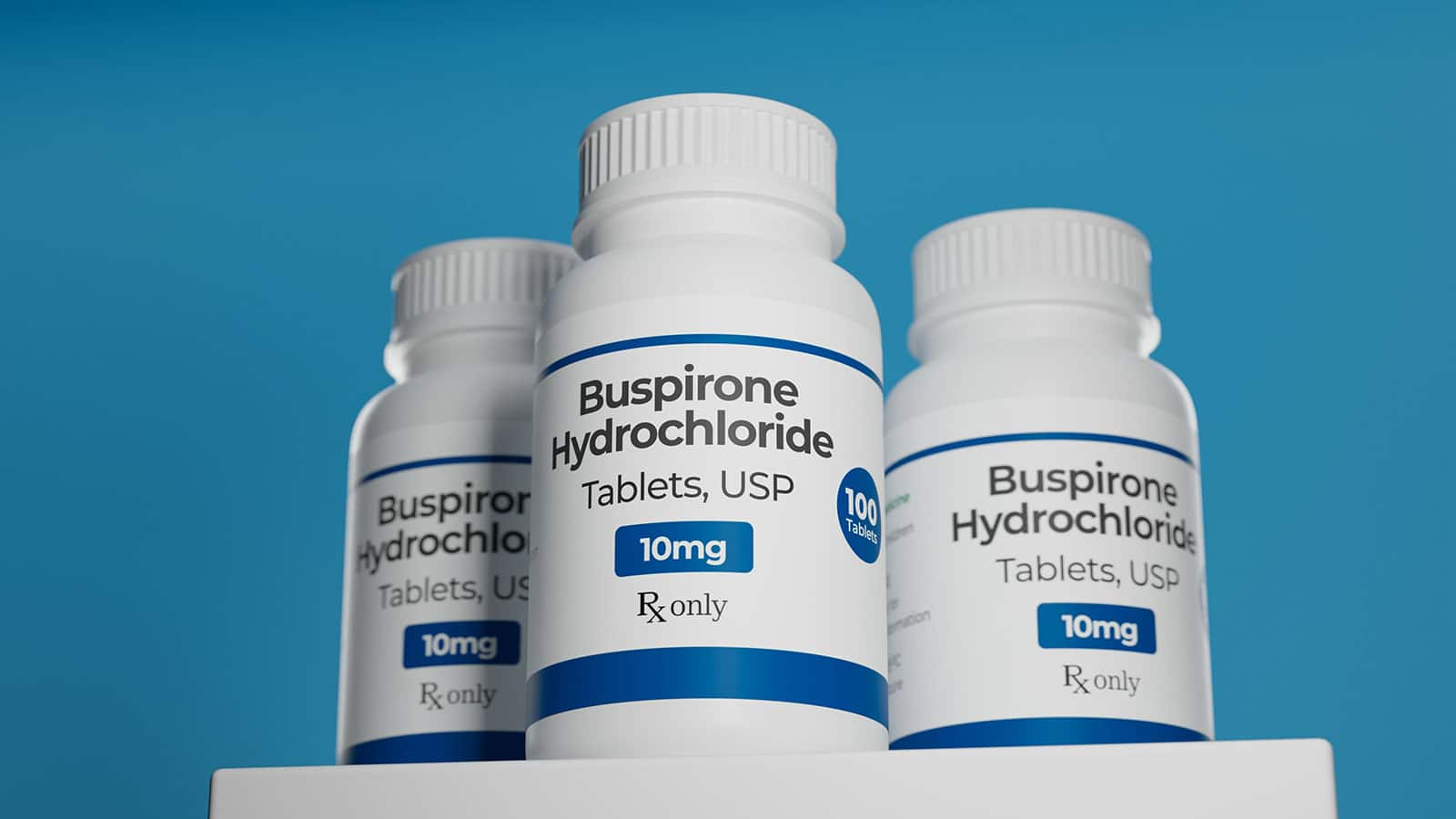
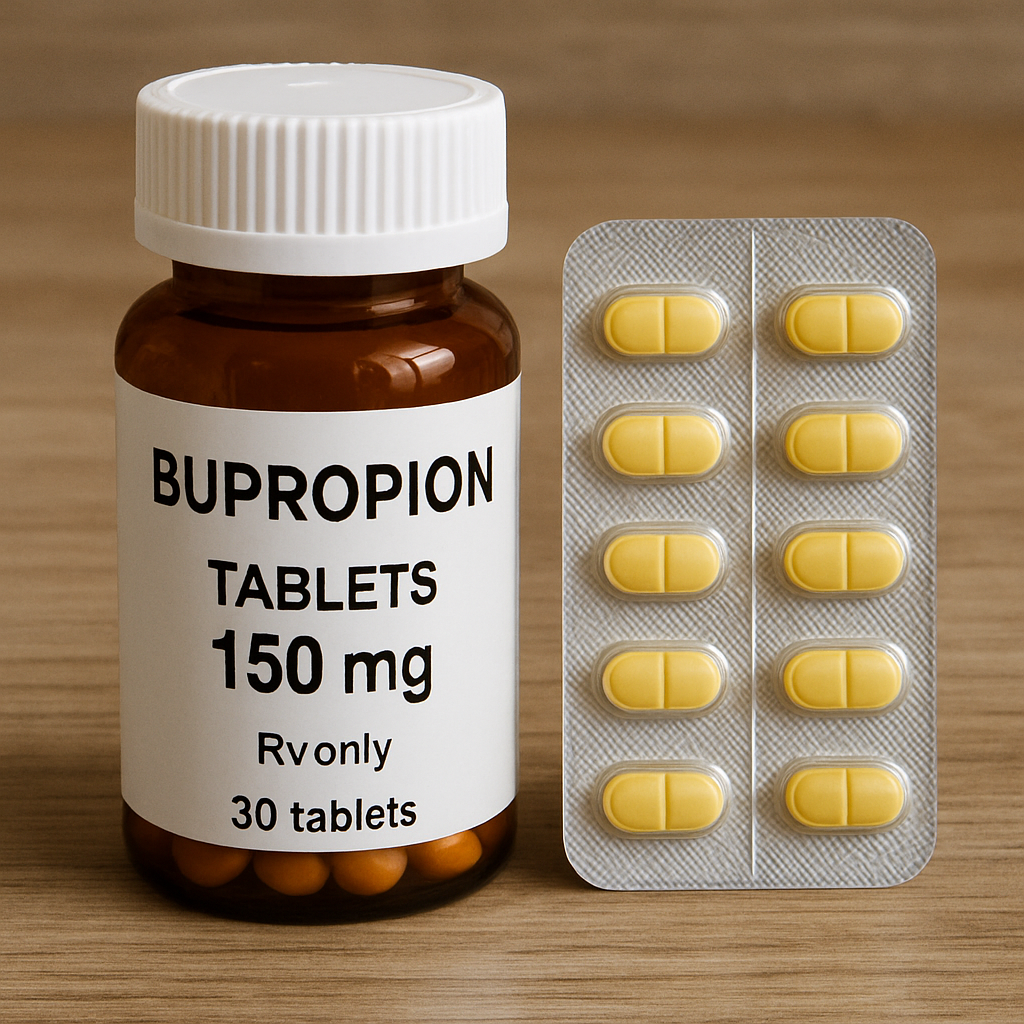
Bupropion is a medication commonly used to treat depression and aid in smoking cessation. Among its many forms, the 144 pill, a white, round tablet, is a specific dosage that many patients encounter. Understanding the uses, dosage, and potential side effects of bupropion is crucial for those prescribed this medication. This article will provide an overview of these aspects, ensuring a clearer understanding for patients and caregivers alike.
Bupropion is an atypical antidepressant that works differently from most other antidepressants. Unlike selective serotonin reuptake inhibitors (SSRIs), bupropion primarily affects the neurotransmitters norepinephrine and dopamine, which are chemicals in the brain that help regulate mood and behavior. By altering the levels of these neurotransmitters, bupropion can help improve mood, reduce anxiety, and increase energy levels.
Mechanism of Action
Bupropion’s mechanism of action is unique compared to other antidepressants. It inhibits the reuptake of norepinephrine and dopamine, leading to increased concentrations of these neurotransmitters in the synaptic cleft. This action is believed to be the reason behind its effectiveness in improving mood and reducing symptoms of depression. Additionally, the increased dopamine levels can aid in smoking cessation by reducing cravings associated with nicotine withdrawal.
Differences from Other Antidepressants
Bupropion differs from SSRIs and other antidepressants not only in its chemical action but also in its side effect profile. While SSRIs often cause sexual dysfunction and weight gain, bupropion is less likely to induce these side effects. This makes it a preferred choice for patients who are concerned about these particular issues. Moreover, due to its stimulating effects, bupropion can be beneficial for patients experiencing fatigue and lethargy associated with depression.
History and Development
Bupropion was first approved by the FDA in 1985. It was initially marketed under the brand name Wellbutrin as an antidepressant. In 1997, the FDA approved it for smoking cessation under the brand name Zyban. Over the years, bupropion has gained popularity not only for its effectiveness but also for its relatively favorable side effect profile compared to other antidepressants, making it a staple in the treatment of depression and nicotine addiction.
Uses of Bupropion
Bupropion is primarily used to treat major depressive disorder and seasonal affective disorder. It is also prescribed as a smoking cessation aid under the brand name Zyban. For those looking to quit smoking, bupropion can help reduce cravings and withdrawal effects. It’s important to note that bupropion is not a nicotine replacement product but works by affecting the brain’s reward system associated with nicotine addiction.
Treating Major Depressive Disorder
In the treatment of major depressive disorder, bupropion can be used as a monotherapy or in combination with other antidepressants. It is particularly beneficial for patients who have not responded well to SSRIs or those who experience intolerable side effects from other medications. Bupropion can also be used to augment the effects of other antidepressants, providing a synergistic effect that enhances overall treatment outcomes.
Seasonal Affective Disorder Relief
Seasonal affective disorder (SAD) is a type of depression that occurs at a specific time of year, usually in the winter. Bupropion is effective in preventing the onset of SAD when taken in the autumn before symptoms begin. Its ability to stimulate energy levels and improve mood makes it a suitable option for individuals who experience depressive symptoms that correlate with seasonal changes.
Smoking Cessation Aid
As a smoking cessation aid, bupropion helps reduce the severity of nicotine cravings and withdrawal symptoms. It is usually started one week before the planned quit date and can be used for a period of 7 to 12 weeks. The medication works best when combined with a comprehensive cessation program that includes behavioral support and counseling. Bupropion’s ability to lessen withdrawal symptoms significantly increases the chances of quitting smoking successfully.
The 144 Pill: Dosage and Administration
The 144 pill, a white, round tablet of bupropion, is typically part of a dosage regimen tailored to the patient’s specific needs. Dosage may vary based on the condition being treated, the patient’s response to the medication, and other medical considerations.
Recommended Dosage
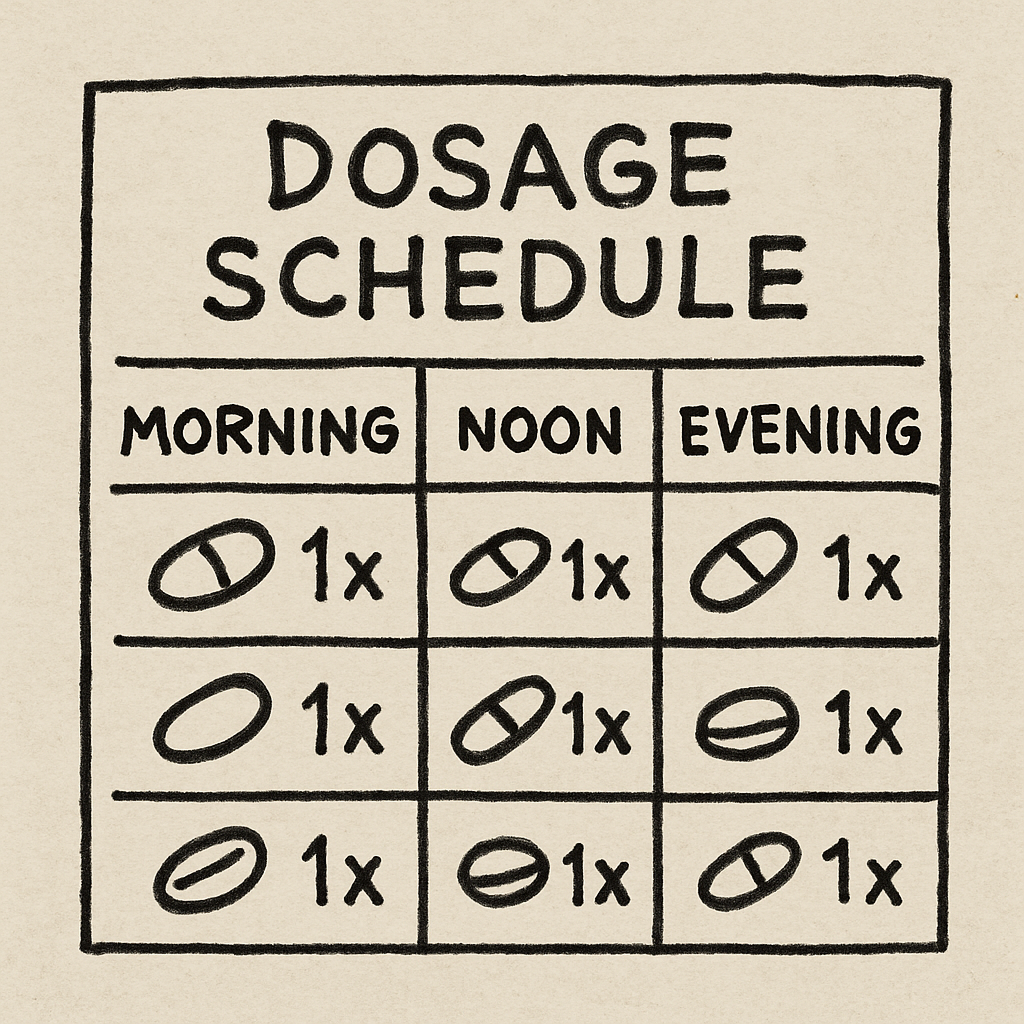
For depression, the typical starting dose of bupropion is 150 mg per day, which may be increased based on the patient’s response. The 144 pill is often part of a titration schedule where the dose is gradually increased to minimize side effects. For smoking cessation, the dosage may start at 150 mg once daily for the first three days, then increase to 150 mg twice daily.
Titration and Dose Adjustments
Titration is a crucial part of bupropion therapy, allowing the body to adjust to the medication gradually. This approach helps minimize side effects and maximizes therapeutic benefits. Healthcare providers may adjust the dosage based on patient response and tolerability. Regular follow-ups are essential to assess the medication’s effectiveness and make any necessary adjustments.
Importance of Adherence
Adherence to the prescribed dosage is vital for the medication’s success. Patients should be diligent in following the schedule set by their healthcare provider, as skipping doses or altering the dosage can lead to suboptimal results or increased risk of side effects. Using reminders, such as phone alarms or pill organizers, can help ensure consistent medication intake.
Risk of Seizures
The risk of seizures is a known concern with bupropion, particularly at higher doses. It’s imperative to stick to the recommended dosage to minimize this risk. Patients with a history of seizures or conditions that predispose them to seizures should discuss these with their healthcare provider. This discussion will guide the provider in tailoring the treatment plan to ensure safety while achieving the therapeutic goals.
How to Take Bupropion
Bupropion should be taken as prescribed by your healthcare provider. It can be taken with or without food, but it’s best to take it at the same time each day to maintain consistent levels in your bloodstream. Swallow the tablet whole; do not crush, chew, or split it, as this can release the drug all at once, increasing the risk of side effects.
Consistency in Timing
Taking bupropion at the same time each day helps maintain steady drug levels in the body, enhancing its effectiveness and reducing the likelihood of side effects. Establishing a routine, such as taking the medication with a specific meal or at a particular time each day, can aid in developing this consistency. Consistent timing also helps in avoiding missed doses, which can compromise the treatment’s success.
Food Considerations
Although bupropion can be taken with or without food, some patients may experience nausea if taken on an empty stomach. If nausea occurs, taking the medication with a meal may alleviate this side effect. However, regardless of food intake, the primary goal is to maintain regular dosing times to ensure optimal absorption and efficacy.
Handling the Tablet
It’s important to swallow bupropion tablets whole to prevent the immediate release of the medication, which can increase side effects and decrease effectiveness. Crushing, chewing, or splitting the tablets can lead to unintended rapid drug release. Patients should be advised on the proper handling of the medication and encouraged to discuss any difficulties in swallowing tablets with their healthcare provider.
Potential Side Effects of Bupropion
Like all medications, bupropion can cause side effects. While many people tolerate it well, it’s important to be aware of potential adverse reactions.
Common Side Effects
Some common side effects of bupropion include:
- Dry mouth
- Insomnia
- Headache
- Nausea
- Dizziness
- Sweating
- Weight loss
These side effects are often mild and may decrease as your body adjusts to the medication. If they persist or become bothersome, consult your healthcare provider.
Managing Common Side Effects
While common side effects of bupropion are generally mild, managing them can enhance patient comfort and adherence to the medication. Staying hydrated can help alleviate dry mouth, while establishing a bedtime routine may reduce insomnia. If headaches or nausea persist, over-the-counter remedies or dietary adjustments might be recommended by a healthcare provider. Continuous communication with healthcare providers can help tailor strategies to individual needs.
Serious Side Effects
Although rare, bupropion can cause serious side effects. Seek immediate medical attention if you experience:
- Seizures
- Hallucinations or delusions
- Severe allergic reactions (rash, itching, swelling)
- Irregular heartbeat
- Severe headache or eye pain

by camilo jimenez (https://unsplash.com/@camstejim)
Recognizing Severe Reactions
Recognizing the signs of severe reactions is crucial for prompt intervention. Sudden changes in mood or behavior, unusual thoughts, or physical symptoms like swelling or rashes should not be ignored. Patients should be informed about these potential signs before starting the medication, ensuring they know when to seek immediate medical help.
Risk Factors for Serious Side Effects
Certain conditions or lifestyle factors can increase the risk of serious side effects. Patients with a history of seizures, eating disorders, or those who abruptly stop using alcohol or sedatives are at higher risk. A comprehensive medical history should be discussed with a healthcare provider to identify any potential risk factors and adjust the treatment plan accordingly.
Importance of Medical Supervision
Ongoing medical supervision is essential when taking bupropion, particularly for those with pre-existing conditions. Regular check-ins allow healthcare providers to monitor patient progress and make any necessary adjustments to the treatment plan. Patients should feel empowered to report any unusual symptoms or concerns, facilitating timely interventions and ensuring a safe treatment experience.
Safety Precautions
When taking bupropion, there are several safety considerations to keep in mind:
- Alcohol: Limit alcohol consumption, as it can increase the risk of seizures.
- Pregnancy and Breastfeeding: Discuss the risks and benefits with your healthcare provider, as bupropion can pass into breast milk.
- Drug Interactions: Inform your doctor of all medications and supplements you are taking, as bupropion can interact with other drugs, potentially altering its effectiveness or increasing side effects.
Alcohol and Bupropion
Alcohol can exacerbate the risk of seizures when taking bupropion. Patients should be advised to limit or avoid alcohol consumption to minimize this risk. If alcohol use is a concern, discussing it with a healthcare provider can provide personalized guidance and support, potentially leading to safer treatment outcomes.
Pregnancy and Breastfeeding Considerations
For women who are pregnant or breastfeeding, the use of bupropion requires careful consideration of potential risks and benefits. The medication can pass into breast milk, and its effects on the infant should be evaluated. A detailed discussion with a healthcare provider is essential to weigh the potential benefits of treatment against any risks to the developing fetus or nursing infant.
Drug Interactions
Bupropion can interact with a variety of medications, including some antidepressants, antipsychotics, and medications for epilepsy. It is crucial to provide a comprehensive list of all medications and supplements to the healthcare provider. This allows for the identification of potential interactions and the adjustment of treatment plans to mitigate risks, ensuring the safest possible therapeutic outcomes.
Conclusion
Bupropion, particularly in its 144 pill form, is a valuable medication for treating depression and aiding smoking cessation. Understanding its uses, dosage, and potential side effects is essential for safe and effective use. Always follow your healthcare provider’s instructions and report any unusual symptoms or concerns promptly.
By staying informed and adhering to medical advice, patients can maximize the benefits of bupropion while minimizing potential risks, paving the way for improved mental health and well-being.
Empowering Patients through Knowledge
Empowering patients with knowledge about bupropion can significantly enhance their treatment journey. Understanding the medication’s purpose, potential benefits, and risks promotes proactive health management. This knowledge fosters patient confidence, encouraging them to engage actively with healthcare providers and make informed decisions about their treatment.
Continuous Communication with Healthcare Providers
Maintaining open lines of communication with healthcare providers is crucial for successful treatment with bupropion. Regular consultations allow for monitoring of treatment progress, addressing concerns, and making necessary adjustments. Patients should feel encouraged to voice any questions or issues, ensuring they receive the support needed for optimal health outcomes.
Committing to Treatment Goals
Commitment to treatment goals is essential when using bupropion. Whether the aim is to alleviate depression symptoms or quit smoking, adhering to prescribed regimens and actively participating in supportive therapies can enhance success rates. By committing to these goals, patients can achieve significant improvements in their mental health and overall quality of life.