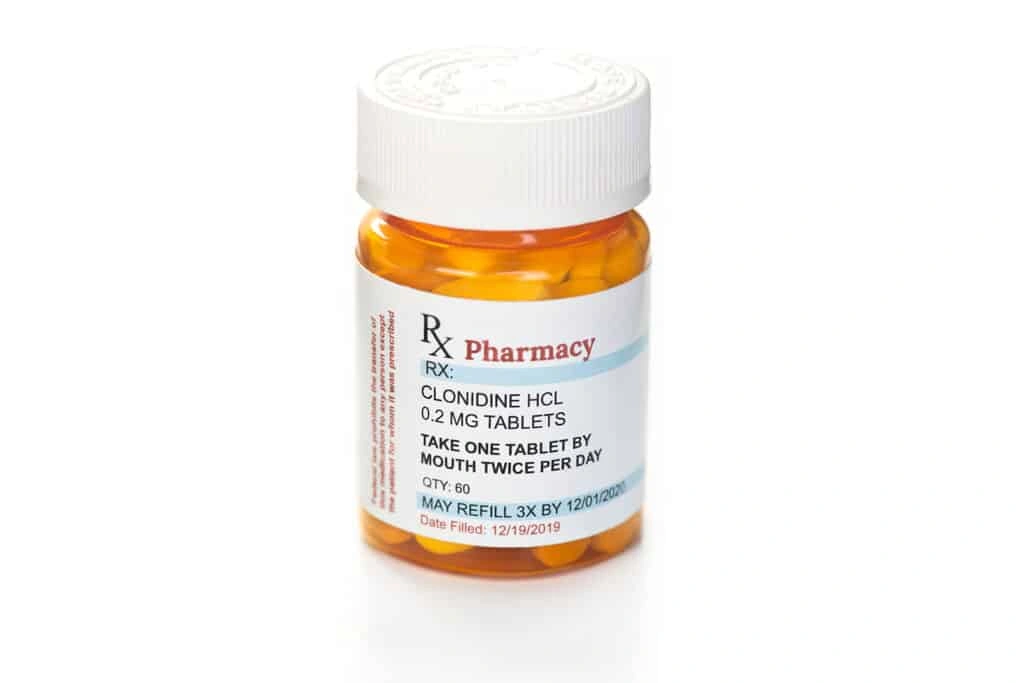
Clonidine is categorized as a centrally acting alpha-agonist hypotensive agent. This classification means that clonidine works by targeting specific receptors in the brain to lower blood pressure. By decreasing the levels of certain chemicals in the blood, clonidine helps relax blood vessels, resulting in reduced blood pressure and a slower, more efficient heartbeat.
Mechanism of Action
Clonidine works by stimulating alpha-2 adrenergic receptors in the brain. This action reduces the sympathetic nervous system’s outflow, leading to decreased heart rate and vasodilation. The result is lower blood pressure and reduced strain on the cardiovascular system.
Historical Background
Developed in the 1960s, clonidine was initially introduced as a nasal decongestant. However, its potential for lowering blood pressure was soon recognized, leading to its widespread use in hypertension management. Over the years, researchers discovered additional applications, broadening its therapeutic scope.
Pharmacokinetics
Clonidine is well-absorbed orally and reaches peak plasma concentrations within 1-3 hours. It has a half-life of approximately 12-16 hours, allowing for twice-daily dosing in most cases. The drug is metabolized in the liver and excreted primarily through the kidneys.
Uses of Clonidine
Clonidine’s uses extend beyond its primary role in managing high blood pressure. It has found a place in treating several other conditions, thanks to its diverse pharmacological effects.
ADHD Management
For Attention Deficit Hyperactivity Disorder (ADHD), clonidine is sometimes used as an adjunct therapy. It can help improve focus, reduce impulsivity, and manage hyperactivity in both children and adults. Unlike stimulant medications, clonidine does not have a high potential for abuse, making it a viable alternative for certain patients.
Pain Management
In pain management, clonidine is occasionally employed, particularly for cancer patients experiencing severe pain. It can enhance the effects of analgesics and provide relief by modulating pain pathways in the nervous system. Its use in epidural and intrathecal administration has been documented for treating refractory pain.
Withdrawal Symptoms
Clonidine is instrumental in easing withdrawal symptoms from opioids, alcohol, and nicotine. By mitigating symptoms like anxiety, agitation, and cravings, clonidine can support individuals through the challenging detoxification process. Its calming effects on the nervous system make it a valuable tool in addiction medicine.
Anxiety Disorders

Though not FDA-approved for anxiety, clonidine is sometimes prescribed off-label to manage anxiety symptoms. It can be particularly effective for patients with anxiety-related sleep disturbances or those experiencing anxiety as a component of another disorder, such as PTSD.
Recommended Dosage
The appropriate dosage of clonidine varies depending on the condition being treated. Adhering to a healthcare provider’s guidelines is crucial to ensure both safety and efficacy.
For High Blood Pressure
- Initial Dose: Typically, 0.1 mg twice daily. This starting dose allows the body to adjust to the medication.
- Maintenance Dose: The dose may be increased by 0.1 mg per week if necessary. Most patients respond well to a total daily dose ranging from 0.2 to 0.6 mg, divided into two doses.
For ADHD
- Initial Dose for Children: Generally starts at 0.1 mg at bedtime. This approach minimizes potential daytime sedation.
- Maintenance Dose: The dose can be increased by 0.1 mg weekly, with an effective range often between 0.1 to 0.4 mg per day. Dosage adjustments aim to balance symptom control with minimizing side effects.
For Pain Management and Withdrawal
Dosages for pain management and withdrawal support can vary widely based on individual patient needs. It’s critical to follow tailored medical advice closely. In pain management, clonidine may be used in conjunction with other medications to enhance efficacy.
Factors Influencing Dosage
Several factors can affect clonidine dosing, including age, weight, renal function, and other medications. Regular monitoring and communication with a healthcare provider are essential to adjust dosages appropriately.
Potential Side Effects
Like any medication, clonidine is not without its potential side effects. Understanding these can help patients manage and report any adverse reactions effectively.
Common Side Effects
Some common side effects include dry mouth, fatigue, dizziness, constipation, and headache. These effects are often mild and may diminish as the body adjusts to the medication.
Severe Side Effects
In rare instances, clonidine can cause more severe side effects such as a slow heart rate, severe allergic reactions, or hallucinations. These require immediate medical attention and may necessitate discontinuation of the medication.
Monitoring and Management
Patients should be informed of potential side effects and encouraged to report any new or worsening symptoms. Regular follow-up appointments can help manage side effects and adjust treatment plans as needed.
Clonidine Withdrawal
Abrupt discontinuation of clonidine can lead to withdrawal symptoms, which can be distressing and potentially dangerous.
Withdrawal Symptoms
Common withdrawal symptoms include increased heart rate, nervousness, headache, and agitation. These symptoms result from a rebound increase in sympathetic nervous system activity.
Gradual Dosage Reduction
To prevent withdrawal, healthcare providers typically recommend gradually tapering the dosage rather than stopping suddenly. This approach allows the body to adjust and minimizes withdrawal risks.
Importance of Medical Supervision
Patients should never alter or discontinue clonidine therapy without consulting their healthcare provider. Medical supervision ensures a safe and effective tapering process.
Misuse and Abuse: Can You Get High on Clonidine?

A prevalent question about clonidine is whether it can cause a high. Generally, clonidine does not produce the euphoria associated with other substances, but misuse can still occur.
Why Misuse Happens
Some individuals might misuse clonidine for its sedative effects, attempting to self-medicate for anxiety or insomnia. This misuse often stems from a lack of understanding of the potential risks and side effects.
Risks of Misuse
Misusing clonidine can lead to severe health complications, including dangerously low blood pressure, fainting, and heart problems. It is crucial to use clonidine only as prescribed by a healthcare professional to avoid these risks.
Prevention and Awareness
Education about clonidine’s effects and potential for misuse is vital for both patients and healthcare providers. Awareness can help prevent misuse and ensure that clonidine is used safely and effectively.
Clonidine in the Context of Substance Use Disorders
While clonidine is not a controlled substance and lacks a high potential for abuse, it plays a role in managing withdrawal symptoms for those recovering from opioid addiction.
Role in Detoxification
Clonidine can help alleviate withdrawal symptoms, making the detoxification process more manageable for individuals recovering from opioid addiction. By reducing symptoms such as anxiety, sweating, and agitation, clonidine supports patients in early recovery stages.
Complementary Therapies
In the context of substance use disorders, clonidine is often used alongside other treatments, such as counseling and support groups. A comprehensive approach enhances the chances of successful recovery.
Ongoing Research
Research continues to explore clonidine’s potential benefits and limitations in addiction medicine. Ongoing studies aim to optimize its use and explore new applications in substance use disorder treatment.
Conclusion
Clonidine is a versatile medication with several important uses, particularly in managing high blood pressure and aiding in withdrawal from certain substances. While it does not typically cause a high, misuse can lead to serious health issues. Always use clonidine as directed by a healthcare provider to ensure safe and effective treatment.
If you have questions about clonidine or suspect you or someone you know is misusing this medication, seek medical advice promptly. Remember, your health and safety should always come first.
Seeking Help and Support
For individuals struggling with clonidine misuse or requiring more information, reaching out to healthcare professionals is a crucial step. Support networks and educational resources can provide the necessary guidance and assistance.
Final Thoughts
In the ever-evolving landscape of medicine, clonidine remains a valuable tool for various conditions. With proper use and understanding, it can significantly improve patient outcomes and quality of life.